Urban Gardening: Balconies and Constrained Spaces
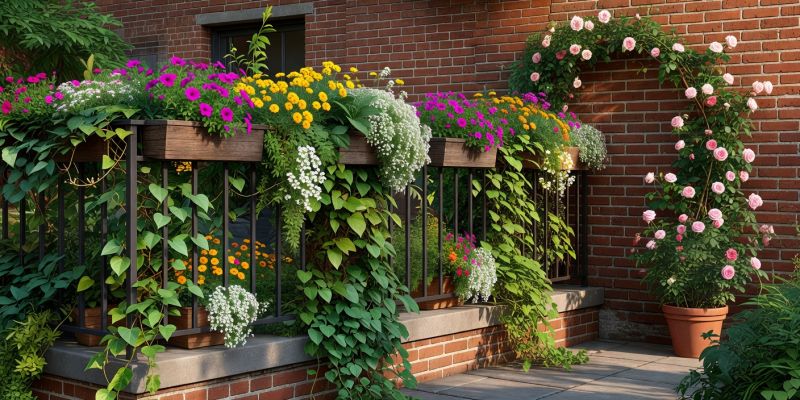
Living in a densely populated urban environment does not preclude you from cultivating a thriving garden. Urban gardening simply requires creative problem-solving and an understanding of microclimates. Whether you are dealing with a fire escape, a Juliet balcony, a rooftop, or simply a window box, constrained spaces offer unique advantages alongside their challenges.
Understanding Urban Microclimates
Cities generate unique environmental conditions. The "urban heat island" effect means city centers are often several degrees warmer than surrounding rural areas, which can subtly extend your growing season. However, high-rise buildings create wind tunnels that drastically increase evaporation, meaning balcony plants often dry out much faster than they would at ground level.
Furthermore, sunlight is often restricted by neighboring architecture. You may receive intense, scorching sun for two hours as the sun passes between buildings, followed by complete shade for the rest of the day. Charting these rapid shifts is vital before selecting plants.
Container Gardening Mechanics
In an urban environment, virtually all gardening is container gardening. Because roots are restricted to a defined volume of soil, they cannot seek out nutrients or moisture deeper in the earth. Therefore, the margin for error is smaller.
- Drainage is non-negotiable: Ensure every pot has drainage holes. If you want to use a decorative pot without holes, use it as a "cachepot"—keep the plant in a cheap plastic nursery pot that slides inside the decorative one, and empty any standing water after watering.
- Soil selection: Never use garden soil or topsoil in containers; it will compact into a brick. Always use a high-quality potting mix designed to remain light and aerated.
- Nutrition: Nutrients wash out of containers with every watering. Implement a consistent fertilizing schedule during the active growing season (spring and summer), using liquid or slow-release granular fertilizers.
Maximizing Vertical Space
When horizontal square footage is limited, look up. Vertical gardening is the hallmark of a successful urban oasis. Utilize wall-mounted planters, hanging baskets, and trellises for climbing plants.
Edible crops adapt surprisingly well to vertical growing. Pole beans, indeterminate tomatoes, and vining cucumbers can be trained up a simple lattice, producing significant yields in a footprint of just a few square inches. Ornamental climbers like Clematis or Morning Glories can quickly cover unsightly brickwork or provide privacy screens on exposed balconies.
Weight Limits and Safety
A crucial, often overlooked aspect of urban balcony and rooftop gardening is structural load. Wet soil is incredibly heavy. Large ceramic or terracotta pots filled with saturated soil and mature plants can exert hundreds of pounds of pressure on a small structural footprint.
To mitigate risk, opt for lightweight containers made of fiberglass, resin, or heavy-duty fabric (grow bags). Additionally, you can reduce weight in the bottom half of exceptionally deep planters by filling the void with inverted plastic nursery pots or closed-cell foam packing peanuts before adding soil on top (ensuring a barrier like landscape fabric is placed between the soil and the fillers).