Low Water Wonders: Succulents and Cacti
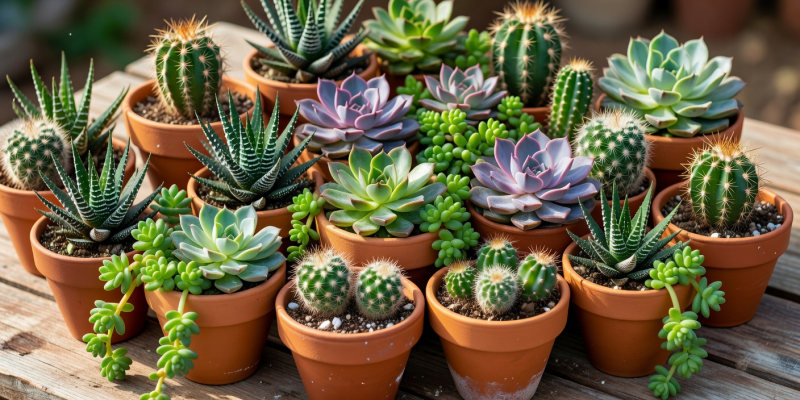
Succulents and cacti have captivated modern growers with their geometric symmetry, diverse textures, and reputation for being "unkillable." However, this reputation often leads to fundamental misunderstandings about their care. While they can endure severe drought, surviving is not the same as thriving. Caring for arid plants requires unlearning many habits developed from tending to standard leafy houseplants.
Anatomy of Survival
The term "succulent" is not a specific botanical family, but rather a descriptive classification for any plant that has evolved fleshy tissues—usually in the leaves, stems, or roots—to store water for extended periods. All cacti are succulents, but not all succulents are cacti (cacti are defined by having areoles, the small bumps from which their spines grow).
Because these plants are built to hoard moisture, providing them with constant water in a typical home environment bypasses their natural survival mechanisms, causing their delicate root structures to rot almost immediately.
The Soak and Dry Method
The most crucial rule for watering succulents is the "soak and dry" method. In arid environments, rain is rare but often torrential when it arrives. The plants rapidly absorb massive amounts of water, swelling their tissues, and then rely on that stored reserve through weeks or months of dry weather.
To replicate this:
- Wait until the soil in the pot is 100% bone dry all the way to the bottom.
- When watering, drench the soil completely until water pours out of the drainage holes.
- Allow all excess water to drain away. Never let the pot sit in a saucer of standing water.
- Do not water again until the soil is completely dry and, ideally, the plant shows slight signs of thirst (such as slightly softer or minimally wrinkled leaves).
Crafting the Perfect Arid Soil Mix
Standard potting soil is designed to hold moisture, making it a death sentence for most desert succulents. Succulent roots need rapid drainage and high oxygen exchange. If you purchase commercial "Cactus Soil," it often still contains too much peat moss. It is highly recommended to cut commercial soil with heavy, coarse grit.
A reliable recipe for an arid mix is:
- 1/3 Potting Soil (sifted to remove large sticks)
- 1/3 Coarse Sand or Poultry Grit (do not use fine play sand, which compacts)
- 1/3 Pumice or Perlite
Additionally, using unglazed terracotta pots is highly beneficial. Terracotta is porous, allowing moisture to evaporate through the walls of the pot, ensuring the soil dries out much faster than it would in plastic or glazed ceramic.
Light: The Missing Ingredient
A common misconception is that succulents make excellent desk plants for dim offices. In reality, most desert-native succulents (like Echeveria, Sedum, and most Cacti) require intense, direct sunlight to maintain their shape and color. When deprived of adequate light, they undergo etiolation—stretching out rapidly, becoming pale, weak, and leggy as they desperately reach for a light source.
Indoors, they should be placed directly on the sill of your brightest south- or west-facing window. If you do not have adequate natural light, investing in a full-spectrum LED grow light is essential to keep them compact and vibrant.
Jungle Cacti: The Exception to the Rule
It is important to note that not all succulents come from deserts. Epiphytic jungle cacti, such as the popular Holiday Cacti (Schlumbergera) or the Fishbone Cactus (Epiphyllum anguliger), originate from humid rainforest canopies. These species require bright, indirect light rather than scorching sun, and prefer their soil to remain slightly damp rather than bone dry. Always research the specific origin of your plant to tailor its care correctly.