Thriving Indoors: A Guide to Houseplants
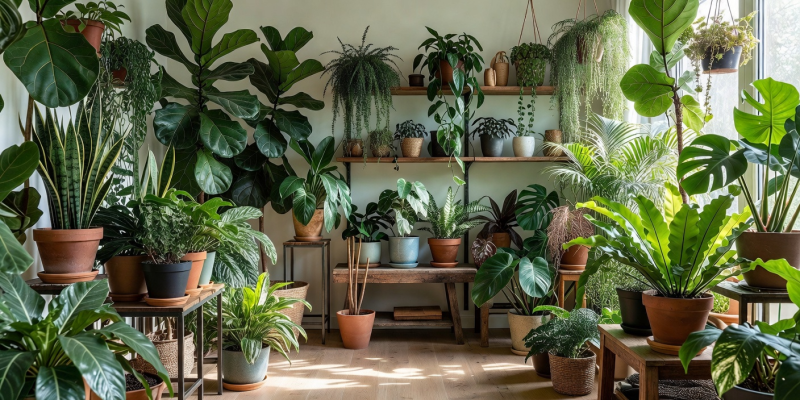
Bringing greenery indoors completely changes the atmosphere of a room. Houseplants not only introduce vibrant color and organic textures to stark architectural lines, but they also provide a fulfilling ongoing project. However, translating a plant from its native tropical rainforest or arid plain into the climate-controlled environment of a modern home requires understanding a few fundamental principles. This guide will walk you through the essential variables of indoor plant care: light, water, substrate, and humidity.
Understanding Indoor Lighting
Light is the most critical factor in houseplant success. While humans naturally adapt to the dimmer conditions of interior spaces, plants experience a dramatic drop in available energy the further they move away from a window. Plant care guides often categorize light into three tiers:
- Bright, Direct Light: The plant receives the sun's rays uninhibited for several hours a day. Generally only found on deep window sills facing south or west (in the Northern Hemisphere). Best for cacti and certain robust succulents.
- Bright, Indirect Light: The holy grail for most houseplants. The plant is near a sunny window but shielded by a sheer curtain, or sits just out of reach of the direct sunbeams. Tropical understory plants thrive here.
- Low Light: Areas far from windows or in north-facing rooms. While no plant truly thrives in the dark, adaptable species like ZZ plants and Snake plants can tolerate these conditions, though their growth will slow significantly.
The Art of Watering
Overwatering is the leading cause of houseplant demise. It is vital to understand that overwatering refers to frequency, not volume. When you water a plant, you should saturate the soil completely so water runs out the drainage holes, ensuring the entire root system has access to moisture. The error occurs when you water again before the soil has adequately dried.
Roots require oxygen just as much as they require water. Soil that remains constantly soggy suffocates the roots, leading to root rot—a fungal infection that destroys the plant from the bottom up. For most common houseplants, wait until the top two to three inches of soil are dry to the touch before watering again. For drought-tolerant species, the soil should dry out almost entirely.
Choosing the Right Substrate
Standard potting soil straight from the bag is often too dense and moisture-retentive for typical indoor environments. In nature, many popular houseplants—like Monsteras, Orchids, and Philodendrons—are epiphytic or hemi-epiphytic, meaning they grow on trees and their roots are exposed to circulating air.
To replicate this indoors, amend commercial potting soil to increase drainage and aeration. A common "chunky" soil mix includes:
- 40% high-quality indoor potting soil
- 30% perlite or pumice (for drainage)
- 30% orchid bark (for aeration and root anchoring)
This formulation ensures that when you water thoroughly, the excess drains quickly, drawing fresh oxygen down into the root zone.
Humidity and Temperature
Modern homes with central heating and air conditioning are notoriously dry, often dropping to 20-30% relative humidity. Tropical plants generally prefer 50% or higher. While misting is a popular practice, it only raises humidity for a few minutes and can encourage fungal leaf spots.
To meaningfully increase humidity for your plants, consider using a dedicated room humidifier, grouping plants tightly together (which creates a microclimate as they transpire), or placing pots on wide trays filled with pebbles and water (ensuring the water level stays below the bottom of the pot to prevent wicking).
Selecting Your First Plants
If you are beginning your indoor gardening journey, start with species renowned for their resilience to typical household conditions. The Epipremnum aureum (Golden Pothos) is an excellent trailing plant that communicates clearly when it needs water by slightly drooping its leaves. Zamioculcas zamiifolia (ZZ Plant) handles low light and infrequent watering with ease. As you build confidence by observing how these forgiving plants respond to your environment, you can gradually introduce more demanding species to your collection.